
Why you should winterize your boat
Table of Contents
As the vibrant, sun-soaked days of summer gradually yield to the crisp, cool air of autumn, boating season inevitably draws to a close. For many boat owners, putting away the vessel for the off-season is a bittersweet ritual. However, simply pulling your boat out of the water, throwing a tarp over it, and parking it in the driveway or storage lot is a recipe for disaster.
Boats are complex, highly engineered machines designed to operate in wet environments, but they are incredibly vulnerable to the harsh realities of freezing temperatures and prolonged inactivity. Winterizing your boat is not just an optional end-of-season chore; it is an absolute necessity. Proper winterization protects your investment, ensures the longevity of your vessel, and guarantees that when the first warm days of spring arrive, you spend your time on the water rather than in the repair shop.
Here is a comprehensive look at why you need to winterize your boat, the mechanical benefits of doing so, and how it ultimately saves you time and money.
Understanding the Enemy: The Physics of Freezing Water
The single greatest threat to a boat during the winter months is the simple, undeniable physics of freezing water. Unlike most substances, which contract as they cool, water expands by approximately 9% when it freezes into ice. In the context of a marine engine, this expansion is catastrophic.
Marine engines—whether inboard, outboard, or sterndrive—use water from the lake or ocean to cool the engine block. If a boat is not properly drained and flushed with marine-grade antifreeze, residual water gets trapped inside the engine block, exhaust manifolds, and cooling hoses. When temperatures drop below freezing, this trapped water turns to ice, expanding with thousands of pounds of pressure per square inch.
This immense force can easily crack a solid cast-iron or aluminum engine block, split exhaust manifolds, and burst hoses. A cracked engine block is rarely repairable; it usually requires a complete engine replacement, which can cost anywhere from $5,000 to well over $15,000 depending on the vessel. Winterization completely neutralizes this threat by removing the raw water and replacing it with specialized antifreeze that will not freeze or expand, keeping the heart of your boat entirely safe.
The Silent Killer: Fuel Degradation and Phase Separation
Another critical reason to winterize your boat relates to the fuel system. Modern gasoline, particularly ethanol-blended fuel (like E10), is highly problematic when left sitting for months at a time. Ethanol is hygroscopic, meaning it actively attracts and absorbs moisture from the air.
Over a long winter, as temperatures fluctuate, condensation forms inside the fuel tank. The ethanol absorbs this water until it reaches a saturation point. Once saturated, a phenomenon known as "phase separation" occurs. The ethanol-water mixture separates from the gasoline and sinks to the bottom of the tank—right where the fuel pickup line is located. If you try to start a boat in the spring with phase-separated fuel, the engine will suck up a highly corrosive mixture of water and ethanol, which can destroy fuel injectors, ruin fuel pumps, and cause severe internal engine damage.
Furthermore, untreated gasoline breaks down over time, creating a sticky varnish that clogs carburetors and fuel lines. A crucial step in the winterization process involves treating the fuel with a high-quality marine stabilizer and running the engine so the treated fuel circulates throughout the entire system. This preserves the octane rating of the fuel, prevents varnish buildup, and mitigates the risks of moisture absorption.
Warding Off Corrosion: Defending Internal Components
When an engine sits idle for six months, the internal components are completely stripped of their protective oil coating due to gravity. The cylinders, pistons, and valves become exposed to the ambient air and inevitable winter moisture, leading to flash rust and corrosion inside the engine.
Professional winterization combats this through a process called "fogging." A specialized fogging oil is sprayed directly into the engine's air intake while it is running, and into the spark plug cylinders. This creates a thick, anti-corrosive film that clings to the internal metal surfaces, blocking out moisture and preventing rust.
Additionally, winterization always includes a comprehensive oil and filter change. During normal operation, engine oil absorbs acidic byproducts of combustion, moisture, and unburned fuel. If you leave dirty oil in the engine over the winter, these acidic contaminants will slowly eat away at internal bearings and metal surfaces. Replacing the old oil with fresh, clean lubrication ensures the engine rests in a safe, neutral environment.
Protecting the Vessel: Interior, Exterior, and Electrical
Winterization goes well beyond the engine compartment. The cold months can be incredibly harsh on the rest of your vessel if it is not adequately prepared.
- Battery Preservation: Lead-acid marine batteries will slowly discharge when not in use. A fully discharged battery can physically freeze and crack in cold weather, ruining it completely. Winterization involves disconnecting the battery, cleaning the terminals, and placing it on a maintenance charger (or trickle charger) to preserve its lifespan.
- Mold and Mildew Prevention: Boats are inherently damp. Sealing a damp boat under a cover for months creates a perfect greenhouse for toxic black mold and mildew, which can permanently ruin vinyl seating, carpets, and canvas enclosures. Proper winterization includes thoroughly drying the bilge, cleaning all vinyl with protectant, and deploying moisture-absorbing desiccants or chemical dehumidifiers throughout the cabin and storage lockers.
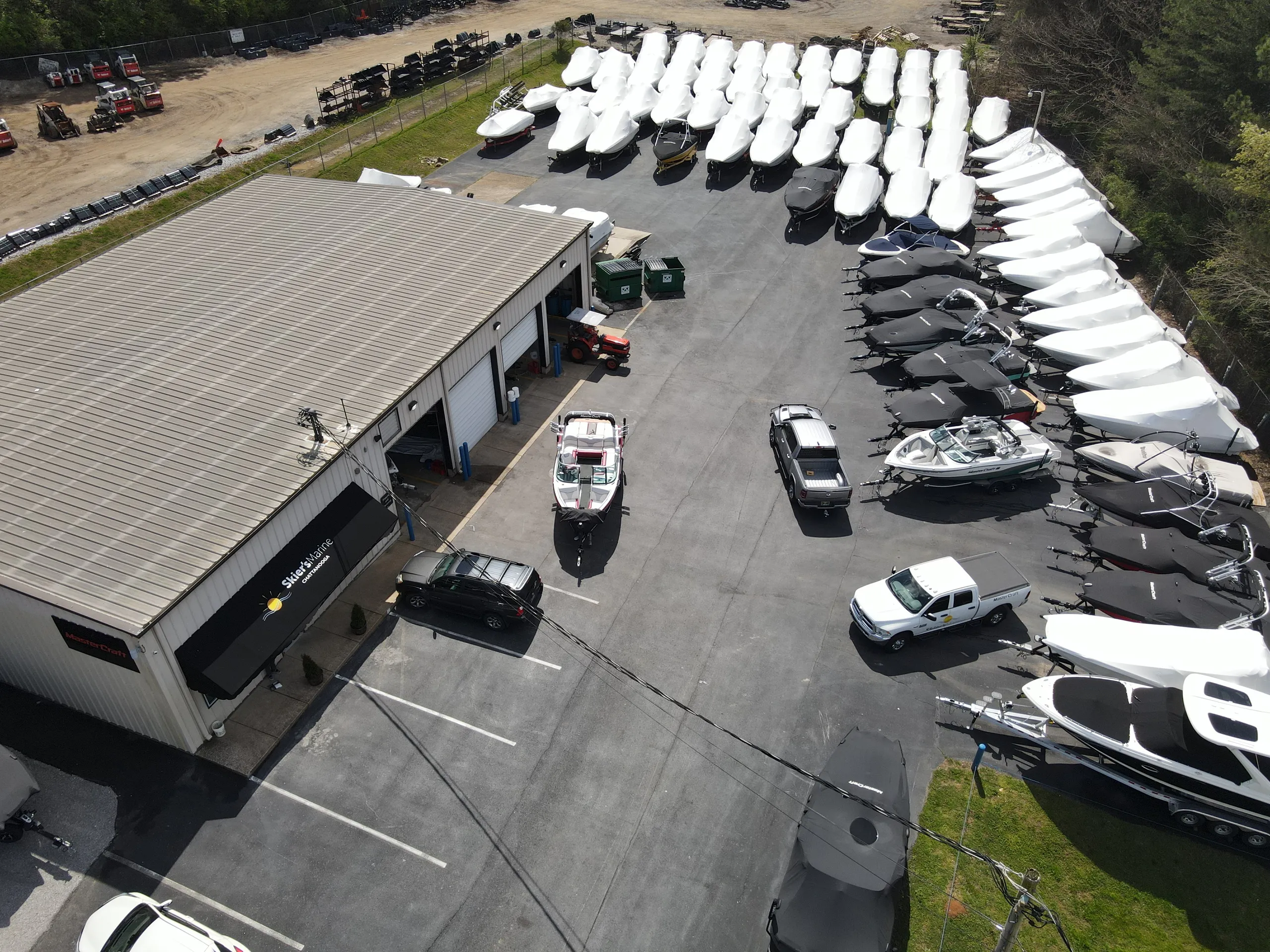
- Shrink Wrapping: For boats stored outdoors, a custom-fitted shrink wrap is the ultimate defense against the elements. It provides a waterproof, snow-proof barrier that fits tightly enough to prevent pooling water and wind damage, while strategically placed vents allow for critical airflow to stop interior condensation.
The Tangible Benefits: Why the Investment Pays Off
While winterization requires an upfront investment of time and money at the end of the season, the long-term benefits are undeniable.
- Turn-Key Spring Launches: There is nothing more frustrating than arriving at the boat ramp on the first beautiful Saturday of spring, only to find your engine won't turn over. Winterized boats are primed and ready for action. A quick fluid check and a turn of the key are usually all it takes to get back on the water.
- Preserving Resale Value: A boat is a depreciating asset, but meticulous maintenance slows that depreciation significantly. When it comes time to upgrade or sell, prospective buyers and marine surveyors look closely at maintenance records. A documented history of professional winterization proves the boat was cared for, directly translating to a higher resale value.
- Insurance Compliance: Many marine insurance policies have strict clauses regarding freeze damage. If your engine block cracks because you failed to winterize the vessel, your insurance provider is highly likely to deny the claim, citing owner negligence. Winterizing ensures you remain compliant with your policy terms.
Trust the Professionals for Total Peace of Mind
While some incredibly mechanically inclined owners choose to winterize their boats themselves, the process leaves zero room for error. Missing a single drain plug, using the wrong type of antifreeze, or failing to properly stabilize the fuel can result in catastrophic damage that won't be discovered until it's too late.
For total peace of mind, it is highly recommended to leave this critical task to certified marine technicians. We understand how important your vessel is to you, which is why all of our nine dealerships offer comprehensive, professional winterization services. Our certified mechanics have the exact tools, marine-grade fluids, and model-specific knowledge required to protect your boat from the harshest winter conditions. Whether you have a nimble bass boat, a powerful wakeboard boat, or a luxury cruiser, our teams across all nine locations are ready to safeguard your investment.
Request Winterization Service
Related Articles

Reasons Your Boat Won't Start (And How To Fix It)
Having trouble starting your boat? You can learn about the reasons your boat won't start and the common ways to fix the issue.
Read More →
How to Dock a Boat: Step-by-Step Guide for New Boaters
New to boating? We'll walk you through how to dock a boat safely and confidently, whether you're pulling up to a marina, dock, or boat slip.
Read More →
Where Do I Register My Boat? - Boat Dealer
Before buying a boat, you may ask yourself, "where do I register my boat"? We have gone ahead and answered a big question we see.
Read More →